
Looking for a cat that’ll chat with you over your morning cuppa, follow you from room to room and still look effortlessly elegant doing it? Say g’day to the Balinese. Often described as a longhaired Siamese, this clever, affectionate breed is winning over Aussie households thanks to its dog-like loyalty and striking blue eyes. Here’s everything you need to know before welcoming one into your home.
Where the Balinese came from
Despite the exotic name, the Balinese has nothing to do with the island of Bali. Longhaired kittens had turned up in Siamese litters for decades, thanks to a recessive long-hair gene, but it was in the United States in the 1940s that breeders began developing them deliberately as a distinct breed. According to the Cat Fanciers’ Association, the name was chosen to reflect the graceful movements of Balinese dancers, and the breed gained CFA championship status in 1970. Here in Australia the breed is still relatively uncommon, so you may need to join a waitlist with a registered breeder.
What a Balinese looks like
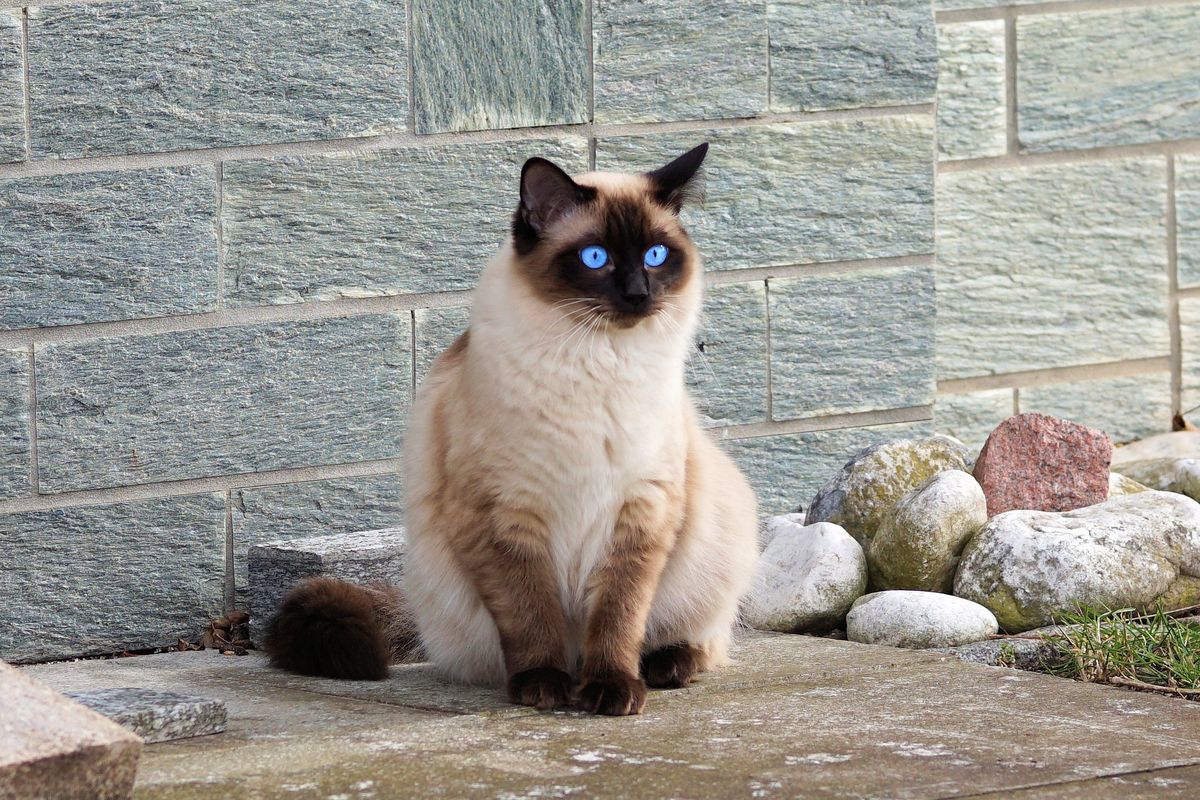
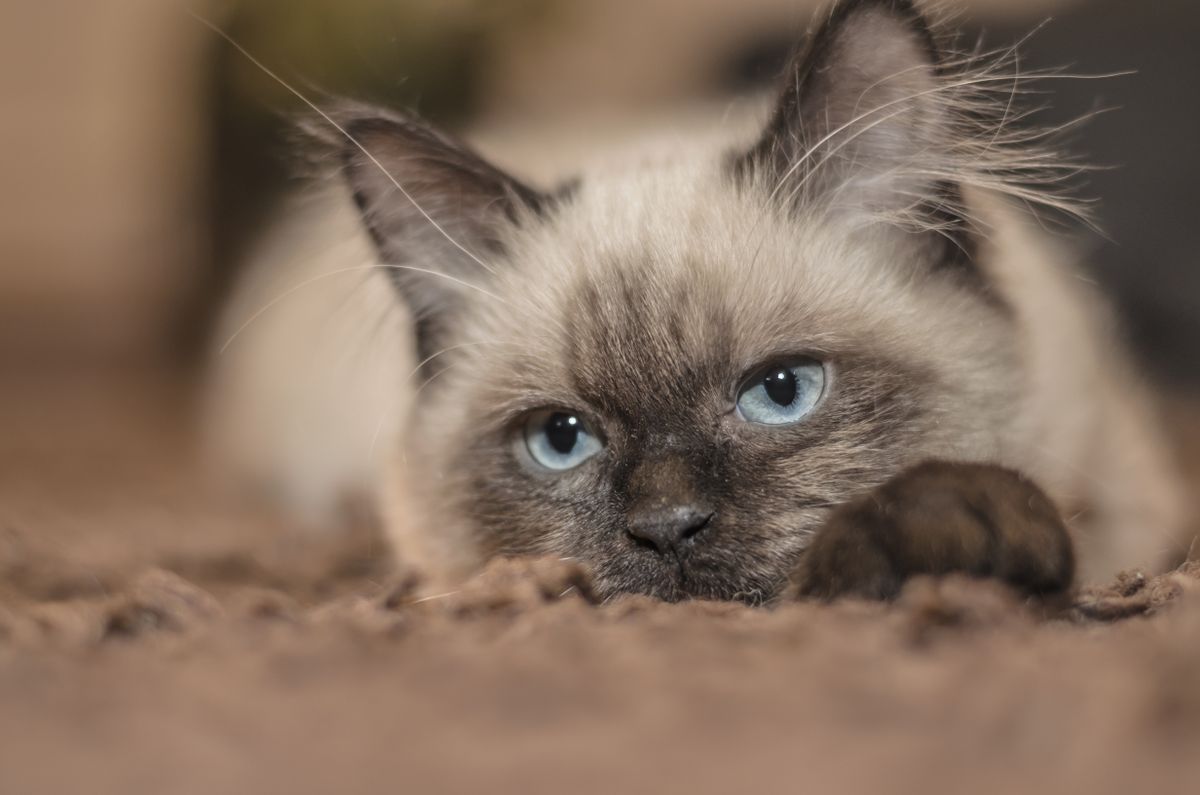
The Balinese is a medium-sized cat with a long, slender, athletic body, fine bones and a beautifully plumed tail. Males are usually a little larger than females. The hallmark is that silky, single-layer coat in a pointed pattern – a pale body with darker colouring on the face, ears, legs and tail – paired with deep sapphire-blue eyes.
Pointed colours you’ll commonly see include:
- Seal point – the classic dark brown points
- Blue point – soft grey-blue
- Chocolate point – warm milk-chocolate
- Lilac point – pale frosty grey-pink
- Plus other point colours such as red, cream, cinnamon and fawn, and lynx (tabby) and parti-colour points, which some registries group separately (CFA calls them the Javanese division)
Personality and temperament
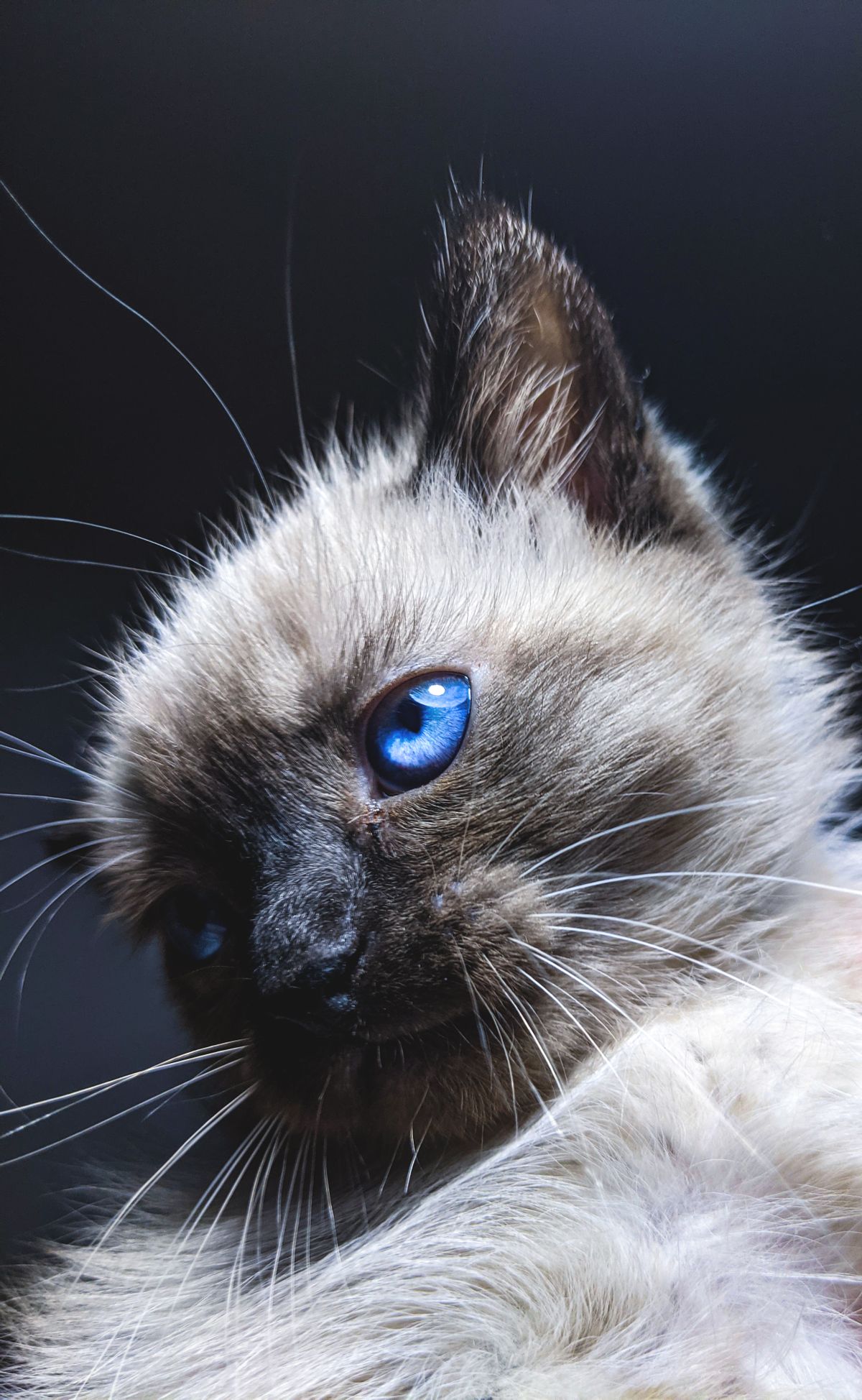
If you want a quiet, aloof cat, the Balinese probably isn’t your match. These are bright, sociable, people-oriented cats that bond hard with their humans and love to be involved in whatever you’re doing. They’re talkative – though, as the CFA breed profile notes, usually a little softer-voiced than their Siamese cousins – and will happily hold a running “conversation” with you throughout the day.
Their intelligence means they thrive on interaction. Many learn to play fetch, open cupboards and solve puzzle toys. They generally get on well with children, cat-friendly dogs and other pets, which makes them a lovely fit for busy family homes – provided someone is around for company.
Grooming and coat care
Good news for time-poor owners: that glamorous coat is surprisingly low-maintenance. Because the Balinese has a single coat with no downy undercoat, it’s far less prone to matting than most longhaired breeds. A brush two to three times a week is plenty to keep it silky and to cut down on shedding around the house. Round it out with regular nail trims, a quick check and clean of the eyes, and routine dental care. One thing to keep in mind: without that insulating undercoat, a Balinese can feel the cold, so a warm, draught-free spot is appreciated during a chilly southern winter.
Exercise and enrichment
This is an active, agile breed that needs daily physical and mental stimulation to stay happy. Bored Balinese can become noisy or mischievous, so set them up to succeed with plenty of enrichment:
- Tall cat trees and shelves for climbing and surveying their kingdom
- Interactive wand toys and short daily play sessions
- Puzzle feeders to make mealtimes a challenge
- Harness-and-lead training, which many Balinese take to readily
Health and lifespan
The Balinese is generally a hardy, long-lived breed, and many cats live well into their teens. Like any pedigree, there are a few conditions worth knowing about so you can keep an eye out and choose a responsible breeder who screens their lines:
- Progressive retinal atrophy (PRA) – a gradual, inherited loss of vision that has been reported in Siamese-related lines
- Hypertrophic cardiomyopathy (HCM) – the most common heart disease of cats, which can affect any breed
- Systemic amyloidosis – an inherited form, in which abnormal protein builds up in organs such as the liver, has been described in Siamese cats
- Occasional crossed eyes (strabismus) or kinked tails, traits inherited from Siamese ancestry that responsible breeders now screen for
- Dental disease, so don’t skip those teeth checks
It’s worth letting your vet know your cat’s breed so they can keep these breed-linked conditions in mind. Annual vet check-ups, keeping vaccinations and parasite control up to date, and pet insurance are all sensible ways to protect both your cat and your wallet.
Feeding your Balinese
Being lean and energetic, the Balinese does best on a high-quality, protein-rich diet that matches its active lifestyle. A combination of wet and dry food helps with hydration, and dividing the daily ration into two or three smaller meals suits their appetite. Watch portions to avoid unwanted weight gain, keep fresh water available at all times, and check with your vet before making any major changes to your cat’s diet.
Is a Balinese right for your home?
A Balinese can be a brilliant companion, but it’s a social breed that hates being left alone for long stretches. If the house is empty from dawn till dusk every day, consider a second pet for company or look at a more independent breed. They’re well suited to apartments and houses alike, as long as they get vertical space and plenty of attention.
Most experts recommend keeping a Balinese as an indoor cat, both for its own safety and to protect native wildlife – something many Aussie councils now reinforce with cat curfews and containment rules, so it’s worth checking your local requirements. If you’d like the best of both worlds, a secure cat enclosure (“catio”) or supervised lead walks let your cat enjoy the fresh air without the risks.
- Great for: families, multi-pet homes, and owners who want an interactive, affectionate cat
- Think twice if: you’re out of the house all day or prefer a quiet, low-attention pet
Final thoughts
Affectionate, clever and endlessly entertaining, the Balinese rewards the attention it craves many times over. Give one plenty of company, a bit of brushing and a safe indoor life, and you’ll have a chatty, blue-eyed mate by your side for many years. If you’re ready for a cat that’s truly part of the family, the Balinese is well worth the wait.