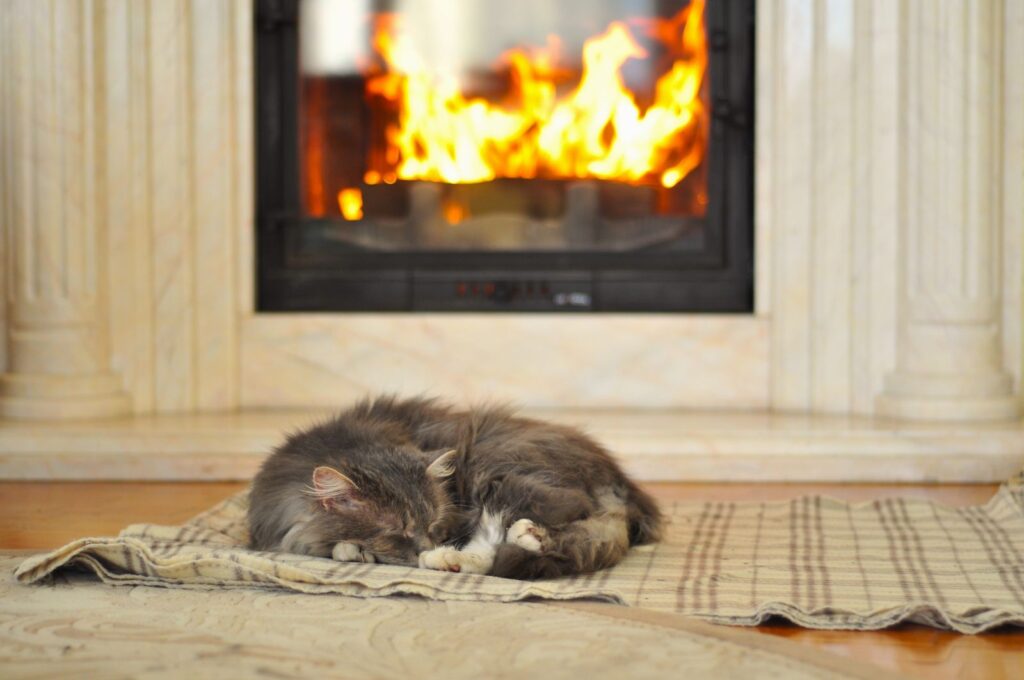
Every winter, Aussie homes fill up with the good stuff: roaring fireplaces, humming heaters, hot water bottles and electric blankets. Our pets love it just as much as we do. The trouble is, dogs and cats will happily press right up against a heat source until their skin pays the price — and vets see the fallout every single year.
Pet Insurance Australia reports that burn-related claims jump by a staggering 300% during the colder months. The good news? Almost every one of these injuries is preventable once you know where the danger spots are. Here’s a practical, no-nonsense guide to keeping your dog or cat warm this winter without a trip to the emergency vet.
Why winter burns spike in Aussie households
When the temperature drops, pets do exactly what we do — they chase warmth. A cat will curl up on top of a heater, a dog will lie flush against the fireplace, and both will happily settle onto an electric blanket left switched on. Unlike us, they don’t always register that something is too hot until a burn has already started, especially older pets whose reactions have slowed.
According to Pet Insurance Australia, the usual culprits are heaters and open fireplaces, bursting or overly hot water bottles, faulty pet heat pads, spilled hot drinks, and electric blankets. Thick fur can also hide the early signs, so a burn may be more advanced than it looks by the time an owner notices.
The winter heat hazards hiding in your home
- Heaters and fireplaces: Direct contact or lingering too close can scorch pads, bellies, backs and tails. Portable heaters are also a knock-over and fire risk.
- Electric blankets and heat pads: Left on unattended, they can overheat — pets pressed against one spot for hours are most at risk. Faulty pet-specific pads are a known cause of claims.
- Hot water bottles: They can burst or simply be too hot against thin-furred bellies. A pet-safe microwave heat pack is a safer swap.
- Hot drinks and cooking: A knocked cup of tea or a splash from the stovetop can scald a curious pet in a heartbeat.
Simple ways to keep pets warm and safe
The experts at Pet Insurance Australia suggest treating burn prevention much like child-proofing a home. A few small changes make a big difference:
- Put a fireguard or small pet fence around heaters and open fires so there’s no direct contact.
- Choose modern heaters that automatically switch off if knocked over.
- Never leave an electric blanket on when you’re out of the house or asleep, and keep pets off it.
- Swap hot water bottles for a pet-friendly heat pack, and keep hot drinks well out of reach.
- Give your pet a warm, draught-free bed of their own, ideally raised off cold floors, so they don’t feel the need to hug the heater.
- For outdoor or older pets, provide extra bedding and a sheltered, weatherproof spot out of the wind.
What to do if your pet gets burned
If the worst happens, quick, calm first aid matters. Veterinary first-aid guidance from services such as Vets Now and the PDSA recommends cooling the burn with cool (not icy) running water for around 10 to 20 minutes. Do not use ice, and never apply butter, oils, creams or ointments — these can trap heat and make the vet’s job harder.
After cooling, contact your vet straight away, no matter how small the burn appears. Burns can be deeper than they look under fur, and your vet may need to provide pain relief, specialist dressings or antibiotics. When in doubt, ring your local clinic or an after-hours emergency service for advice. Consult a licensed veterinarian for diagnosis or treatment specific to your pet.
The bottom line
Keeping your pet cosy through an Australian winter is a wonderful thing — it just pays to be the sensible one in the relationship. Guard the heat sources, switch off blankets when you leave, give your mate a warm bed of their own, and you’ll sail through the cold months with a happy, toasty pet and zero emergency vet bills.
Frequently Asked Questions
Can dogs and cats really get burned by a home heater?
Yes. Pets often lie against heaters, fireplaces and electric blankets for warmth and can burn their skin, pads or belly before they react. Pet Insurance Australia records a roughly 300% rise in burn claims over winter, so it’s a genuine and common seasonal risk.
What’s the safest way to keep my pet warm in winter?
Give them a warm, draught-free bed raised off cold floors, use pet-safe heat packs instead of hot water bottles, and guard heaters and fires with a screen. Never leave an electric blanket on unattended.
What should I do first if my pet burns itself?
Cool the area with cool running water for 10 to 20 minutes — not ice — and don’t apply any creams or ointments. Then call your vet right away, even for a small-looking burn, as fur can hide the true severity.
Key Takeaways
- Burn claims for pets rise around 300% every Australian winter.
- Heaters, fireplaces, electric blankets and hot water bottles are the main culprits.
- Guard heat sources, switch blankets off when out, and offer a warm bed of their own.
- For burns: cool with running water, no ice, no ointments — then call your vet.