
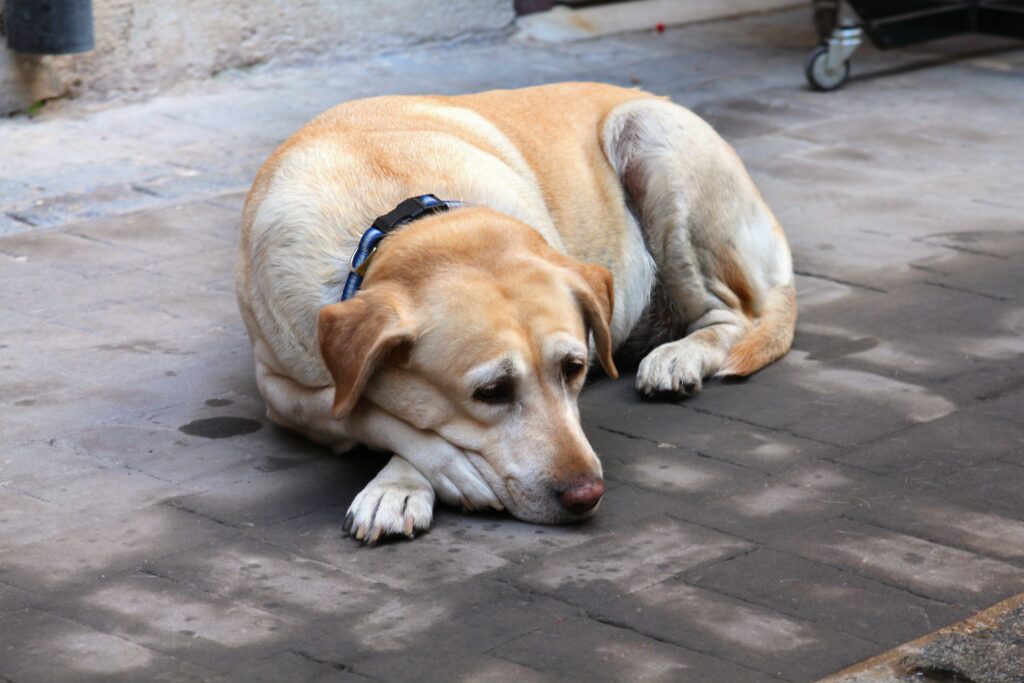
If your once-settled old dog has started pacing the hallway at 2am, staring at the wall, or standing at the hinge side of the door waiting to be let out, you are not imagining it. As the winter nights stretch long and dark across Australia, more owners of senior dogs are noticing these odd little changes and quietly worrying that something is wrong. Often, it is a treatable and manageable condition called canine cognitive dysfunction, sometimes described as dog dementia.
What is canine cognitive dysfunction?
Canine cognitive dysfunction (CCD) is an age-related decline in the brain that shares similarities with Alzheimer’s disease in people. It is common, and under-recognised. Veterinary research suggests it affects a significant share of ageing dogs, with prevalence climbing steeply with age — roughly one in four dogs around 11 to 12 years, rising to well over half of dogs aged 15 to 16. A 2025 study of Australian veterinary professionals noted that despite this, many cases go undiagnosed because the early signs are subtle and easy to write off as “just getting old”.
Cats can develop a similar condition, feline cognitive dysfunction, so many of the same principles apply if you share your home with an older moggy.

The warning signs: an easy way to remember them
Vets often use the acronym DISHAA to describe the changes to watch for. If you notice several of these in an older dog, it is worth a conversation with your vet:
- Disorientation — getting “lost” in familiar rooms, going to the wrong side of the door, or staring blankly at walls.
- Interactions — changes in how they relate to you and other pets; becoming clingier, more withdrawn, or unusually irritable.
- Sleep-wake changes — sleeping more during the day and becoming restless, pacing or vocalising at night.
- House soiling — toileting indoors after previously being reliable, sometimes right after coming inside.
- Activity changes — losing interest in toys and walks, or developing repetitive habits like pacing or licking.
- Anxiety — new fearfulness or agitation, often worse in the late afternoon and evening, a pattern owners call “sundowning”.
Because Australian winters bring earlier sunsets, that evening restlessness can seem more pronounced right now. Longer stretches of darkness and less daytime activity can make a dog’s confusion and pacing more obvious to a household that is also indoors more.
Why you should not self-diagnose
Here is the important part: these signs are not unique to dementia. Pain from arthritis, failing eyesight or hearing, urinary problems, thyroid disease and other conditions can all look remarkably similar. That is why cognitive dysfunction is usually a diagnosis reached by ruling other things out. Please consult a licensed veterinarian for diagnosis or treatment specific to your pet rather than assuming the worst — some of the causes are very treatable, and catching them early genuinely helps.
Practical things that can help at home
There is no cure, but many owners find their dog is more comfortable and settled with a few adjustments. Alongside your vet’s advice, these low-risk changes are commonly recommended:
- Keep a predictable daily routine for meals, walks and bedtime — familiarity is reassuring for a confused brain.
- Gentle daily enrichment such as short sniffy walks, food puzzles and easy training games can help keep the mind active.
- Make the home easier to navigate: night lights in hallways, clear pathways, and non-slip mats can reduce night-time confusion and falls.
- Get plenty of daytime light and activity to help reset a muddled sleep-wake cycle.
- Ask your vet about diets and supplements formulated for brain health; some contain omega-3 fatty acids and antioxidants, and there are prescription options and medications your vet may discuss.
Avoid buying supplements or medications online without veterinary guidance. What helps one dog may not suit another, and your vet can tailor the plan to your dog’s overall health.
When to see your vet
Book a check-up if you are seeing several DISHAA signs, if the changes are getting worse, or if your dog seems distressed at night. Even if it turns out to be dementia, early support can improve your dog’s quality of life and make the coming winter a calmer one for the whole household. Organisations such as the RSPCA and your local vet can also point you toward senior pet care resources.
Frequently asked questions
At what age do dogs get dementia?
Signs usually appear in senior dogs, often from around eight years of age onward, and become more common the older a dog gets. Larger breeds tend to be considered “senior” earlier than smaller ones.
Is dog dementia painful?
Dementia itself is not thought to be painful, but the confusion and disrupted sleep can be distressing for a dog. Pain from other age-related conditions can also occur alongside it, which is another reason a vet check is worthwhile.
Can dog dementia be cured?
There is no cure, but it can often be managed. A combination of routine, enrichment, environmental changes and, where appropriate, vet-prescribed diets or medication may help slow the progression and keep your dog comfortable.
Why does my old dog pace at night?
Night-time pacing and restlessness are classic signs of a disrupted sleep-wake cycle, which is common in cognitive dysfunction. It can also be caused by pain, needing to toilet, or reduced vision, so it is worth discussing with your vet.
Key takeaways
- Canine cognitive dysfunction is common in senior dogs and often under-diagnosed in Australia.
- Use the DISHAA signs — disorientation, interaction changes, sleep-wake disruption, house soiling, activity changes and anxiety — as a guide.
- Long, dark Aussie winter evenings can make “sundowning” restlessness more noticeable.
- Similar signs can come from treatable conditions, so a vet diagnosis matters.
- Routine, enrichment, a safe home layout and vet-guided diet or medication can all help.