Why Your Cat’s Toilet Habits Matter More in Winter
As the temperature drops across Australia, most of us notice our cats doing less – sleeping longer, curling up by the heater and heading outside far less often. It seems harmless enough. But vets around the country say winter quietly brings a spike in one of the most painful and dangerous problems a cat can face: a blocked or irritated bladder, known broadly as feline lower urinary tract disease (FLUTD).
The good news is that most of the winter triggers are things you can manage at home. Knowing the warning signs and acting quickly can be the difference between a simple vet visit and a life-threatening emergency – especially for male cats. Here’s what every Aussie cat owner should understand this season.
Why Winter Is Peak Season for Feline Bladder Trouble
Cold weather changes your cat’s behaviour in ways that add up. When it’s chilly, cats tend to drink less water, move around less and hold on rather than trek to a cold litter tray or a wet, windy garden. Less water flowing through the system means more concentrated urine, which can encourage crystals and bladder irritation to form.
Stress plays a big part too. Feline idiopathic cystitis – bladder inflammation with no infection behind it – is strongly linked to stress, and winter often means more time cooped up indoors, less enrichment and disrupted routines. For a sensitive cat, that combination can be enough to inflame the bladder wall.
The Warning Signs Every Owner Should Know
Urinary problems can escalate fast, so it pays to know what to watch for. Contact your vet promptly if you notice your cat:
- Straining in the litter tray or squatting repeatedly with little or no urine coming out
- Crying, yowling or showing obvious discomfort while trying to wee
- Passing small, frequent amounts, sometimes with blood
- Licking around the back end more than usual
- Weeing outside the tray, in odd spots around the house
- Seeming restless, hiding, off their food or unusually flat
A male cat who is straining but producing no urine at all should be treated as an emergency – see the section below.
Which Cats Are Most at Risk
Any cat can develop urinary issues, but some are more prone than others. Male cats have a longer, narrower urethra, which means they are far more likely to become fully blocked – a genuine medical emergency. Overweight and less active indoor cats, cats fed mainly dry food, and anxious or easily stressed cats also sit higher on the risk list. If your cat ticks several of these boxes, winter is a good time to be extra observant.
What You Can Do at Home This Winter
A few simple changes can make a real difference to your cat’s urinary health during the colder months:
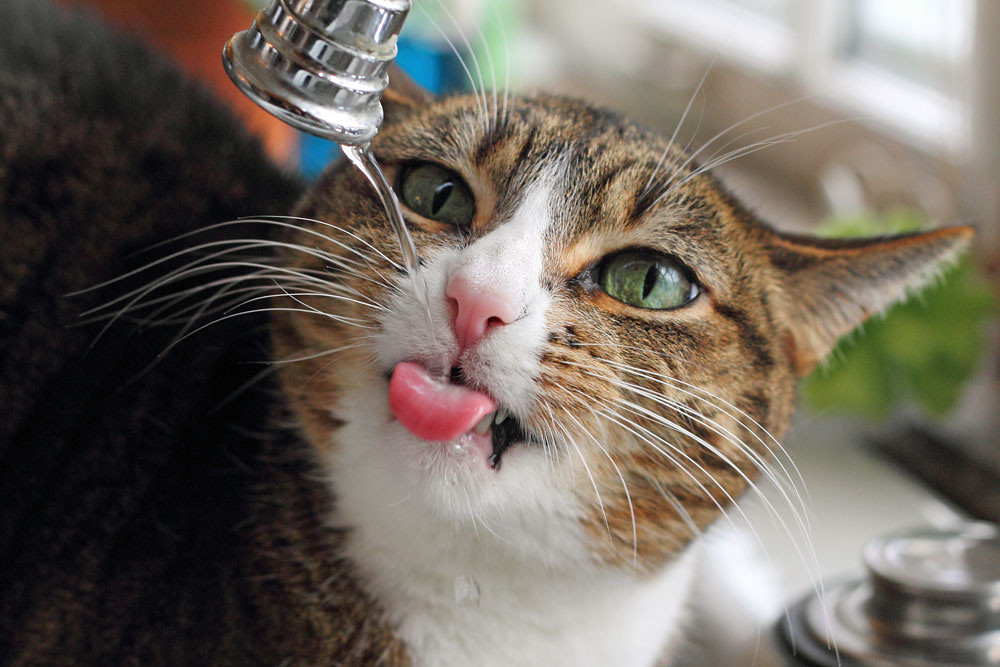
- Boost water intake. Offer several fresh water bowls, try a pet drinking fountain, and consider adding wet food, which has a much higher moisture content than kibble.
- Keep litter trays warm and welcoming. Place trays in quiet, draught-free spots indoors so your cat isn’t put off by the cold. The general rule is one tray per cat, plus one extra.
- Reduce stress. Keep routines steady, provide hiding spots and vertical space, and add indoor play or puzzle feeders to make up for less time outside.
- Watch the waistline. Cats are less active in winter, so adjust portions to avoid weight gain, which is a known risk factor.
- Keep an eye on the tray. Scooping daily helps you spot changes in how much, how often and what your cat is passing.
These steps support urinary health but are not a treatment. If your cat is already showing symptoms, home care is not a substitute for veterinary attention.
When It’s an Emergency
A complete urinary blockage can become fatal within a day or two, as toxins build up when the body can’t pass urine. If your cat – particularly a male – is straining repeatedly with nothing coming out, crying in pain, vomiting, or has gone flat and unresponsive, treat it as an emergency and contact your vet or nearest after-hours animal hospital straight away. It is always better to make the call and be reassured than to wait and see.
This article is general information only. Consult a licensed veterinarian for diagnosis or treatment specific to your pet.
Frequently Asked Questions
Do cats really get more urinary problems in winter?
Vets commonly report more urinary cases in the cooler months. Cats often drink less, move less and hold on rather than use a cold tray, all of which can concentrate urine and irritate the bladder. Stress from more time indoors can also play a role.
Is a blocked bladder more serious in male cats?
Yes. Male cats have a narrower urethra, so they are much more likely to become fully blocked. A male cat straining with no urine coming out is a life-threatening emergency and needs a vet immediately.
How can I get my cat to drink more water in winter?
Try offering multiple fresh water bowls in different rooms, a pet water fountain, and wet food instead of or alongside dry food. Some cats also prefer wider bowls or water kept away from their food.
Can dry food cause urinary problems?
Dry food isn’t harmful on its own, but its low moisture content means cats fed only kibble may take in less water overall. Many owners find adding wet food helps support hydration. Ask your vet about the best diet for your individual cat.
Key Takeaways
- Winter brings a rise in feline urinary problems as cats drink less, move less and feel more stressed indoors.
- Straining, frequent tiny wees, blood, crying and weeing outside the tray are all warning signs.
- A male cat straining with no urine passing is a life-threatening emergency – see a vet immediately.
- Boost water intake, keep trays warm and indoors, reduce stress and watch your cat’s weight.
- When in doubt, call your vet – early action prevents a great deal of pain and cost.