For years, Australia was the last inhabited continent the global H5 strain of bird flu had never reached. That changed in June 2026. Federal and state authorities confirmed Australia’s first-ever detections of highly pathogenic H5N1 (clade 2.3.4.4b) avian influenza — so far only in a small number of wild migratory seabirds along the southern coast. If you share your home with a cat, or keep a few chooks out the back, it’s worth understanding what this does and doesn’t mean, and the simple steps that lower the risk for your animals this winter.
What’s actually happened — and what hasn’t
In June 2026, the virus was confirmed in a brown skua at Cape Le Grand National Park near Esperance in Western Australia, announced on 20 June, and in a southern giant petrel found at Knights Beach near Port Elliot on South Australia’s Fleurieu Peninsula, confirmed by PIRSA on 24 June. Testing was carried out by the CSIRO’s Australian Centre for Disease Preparedness.
Here’s the important part: these detections are in wild seabirds only. As of late June 2026, there have been no cases in poultry, backyard flocks, farm animals, pets or people anywhere in Australia. This is an early wild-bird incursion, not a national outbreak. The aim now is preparation, not panic.
Why cats are the pets most at risk
Of our common pets, cats are the ones experts watch most closely. Overseas, cats have proven highly susceptible to severe H5N1 illness, and veterinary bodies including the American Veterinary Medical Association note that infection in cats often results in death. Cats most commonly catch the virus by hunting and eating sick or dead birds, or by eating raw poultry, raw pet food or unpasteurised milk. Clusters of fatal feline cases have been recorded in Poland and South Korea, and in the United States some commercial raw cat foods have been linked to cat deaths.
To be clear, no Australian cats are known to have caught H5N1. These overseas cases simply explain why a little caution now is sensible. Signs to watch for in an unwell cat can include fever, lethargy, loss of appetite, breathing difficulty and neurological signs such as tremors or unsteadiness. Consult a licensed veterinarian for diagnosis or treatment specific to your pet.
How to protect your cat right now
- Keep cats indoors or in a secure outdoor enclosure (catio), which also fits the trend toward cat curfews across Australia.
- Don’t feed your cat raw poultry or raw meat-based diets, and avoid unpasteurised milk.
- Don’t leave pet food or water outside where it attracts wild birds.
- Wash your hands before and after handling your cat, its food or its litter.
- If your cat is unwell after contact with a bird, ring your vet and mention the possible exposure.
Backyard chooks: simple biosecurity that works
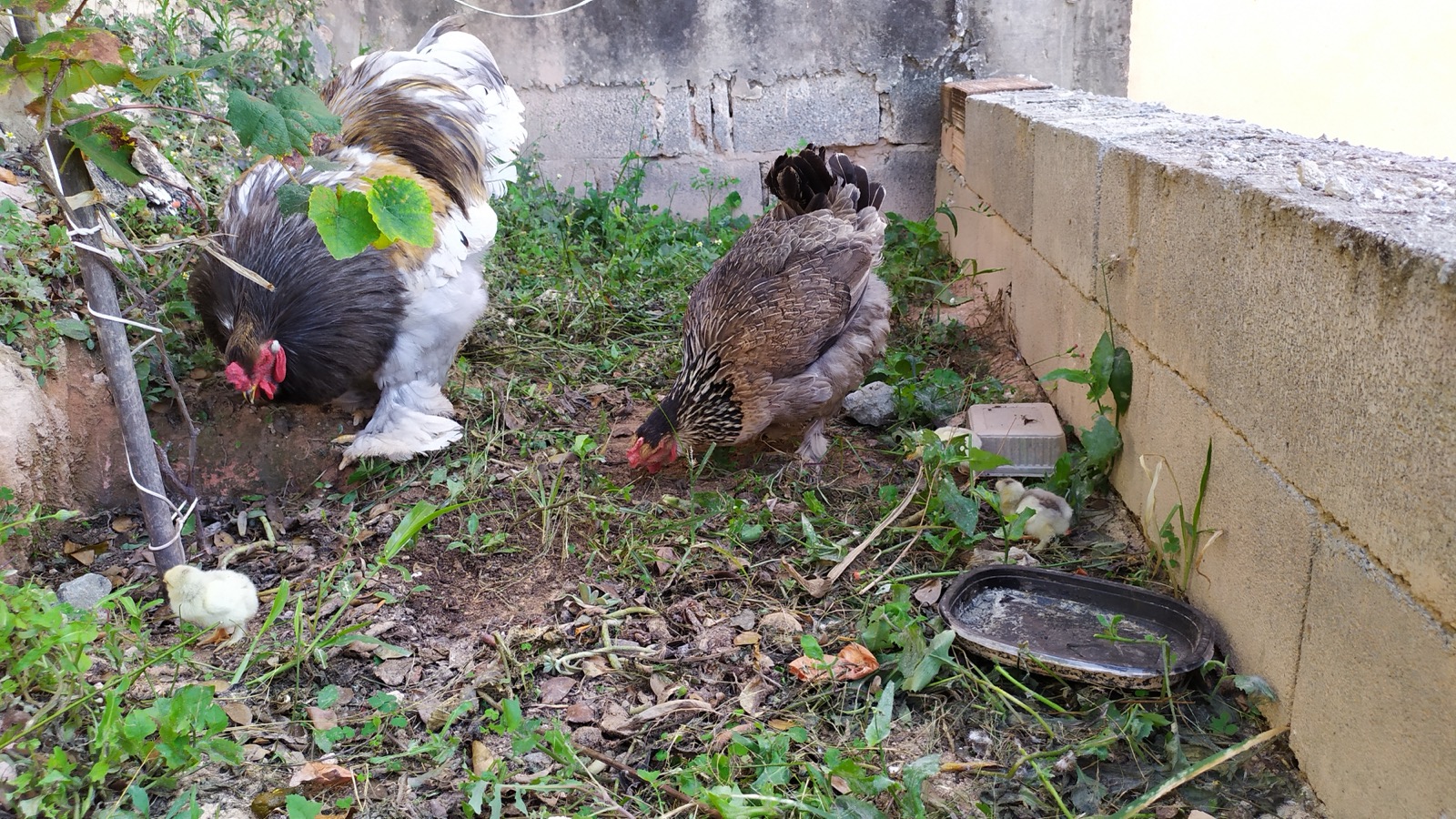
With hundreds of thousands of Australian households keeping backyard hens, good biosecurity is the best protection. Try to keep feed and water under cover so they don’t draw wild birds, limit your flock’s contact with waterbirds and their droppings, and quarantine any new or returning birds. Wash your hands and change footwear before and after tending the coop. Watch for sudden deaths, swollen heads, purple discolouration of the comb, or a drop in eggs — and remember that H5 bird flu is a notifiable disease, so suspected cases must be reported.
Found a sick or dead wild bird? Avoid, Record, Report
Australia’s official advice is simple: avoid touching sick or dead wild birds, record the location and take a photo if you can, and report it to the Emergency Animal Disease Watch Hotline on 1800 675 888 (24 hours, nationwide). Keep children and pets well away from the bird.
Should dog owners worry?
Dogs appear far less at risk than cats. They can be exposed but are not considered an at-risk species in the way cats are. Common-sense steps still help: keep dogs on a lead in areas with lots of wildlife, discourage them from mouthing dead birds, and don’t feed raw poultry. For more, see our guide on whether dogs can get bird flu.
One more thing worth noting: Australia’s health authorities currently rate the human-health risk from bird flu as low, and person-to-person spread of H5 has not occurred. Risk to wild birds may rise again as migratory species return between September and November, so it’s a good habit to build now.
Frequently asked questions
Can cats catch bird flu in Australia?
No Australian cats are known to have caught H5N1. Cats are, however, highly susceptible overseas, usually after eating infected birds or raw poultry, so keeping cats indoors and off raw diets is a sensible precaution now the virus has reached our shores.
Is it safe to keep backyard chickens right now?
Yes. There are no detections in Australian poultry or backyard flocks. Good biosecurity — covered feed and water, limiting contact with wild birds, and hand and footwear hygiene — is the most effective protection for your hens.
What number do I call if I find a dead wild bird?
Call the Emergency Animal Disease Watch Hotline on 1800 675 888. Don’t touch the bird, note where you found it, and keep pets and children away.
Can I catch bird flu from my pet?
The risk to people in Australia is currently considered low, and human cases are very rare. Practising basic hygiene — washing hands after handling animals and avoiding contact with sick or dead birds — keeps that risk low.
Key takeaways
- H5 bird flu reached Australia in June 2026, but only in wild seabirds in WA and SA — no poultry, pets or people affected.
- Cats are the pet most at risk; keep them indoors and off raw poultry diets.
- Backyard chook keepers should tighten everyday biosecurity, not panic.
- Avoid, Record, Report sick or dead wild birds on 1800 675 888.
- When in doubt about your pet’s health, consult a licensed veterinarian.