

As the weather warms up across Australia, bees, wasps and biting ants come back to the garden, and curious dogs love to chase them. Most stings cause nothing worse than a yelp and a bit of swelling, but a small number of dogs react badly, and a sting inside the mouth or a full allergic reaction can turn serious quickly. Here is how to tell the difference, what to do first, and when a sting is a genuine emergency.
By GoPetr Writer. General information only, not a substitute for advice from your own vet. Every clinical point below links to an Australian veterinary or allergy source.
Is your dog’s sting an emergency? Quick triage
| Watch and treat at home | Call a vet or emergency clinic now |
|---|---|
| One sting on a paw or body, with mild swelling, licking or limping | Swelling of the face, muzzle, lips or tongue |
| Dog is bright, alert and still eating | A sting inside the mouth or throat |
| A small lump that settles over a few hours | Vomiting, diarrhoea, heavy drooling or wobbliness |
| No known history of bad reactions | Pale gums, weakness, collapse or trouble breathing |
| Several stings at once, or a previous severe reaction |
When you are unsure, phone your vet or the nearest 24-hour emergency clinic and describe what you are seeing. They would much rather hear from you early than late (Animal Emergency Service).
What a normal sting looks like
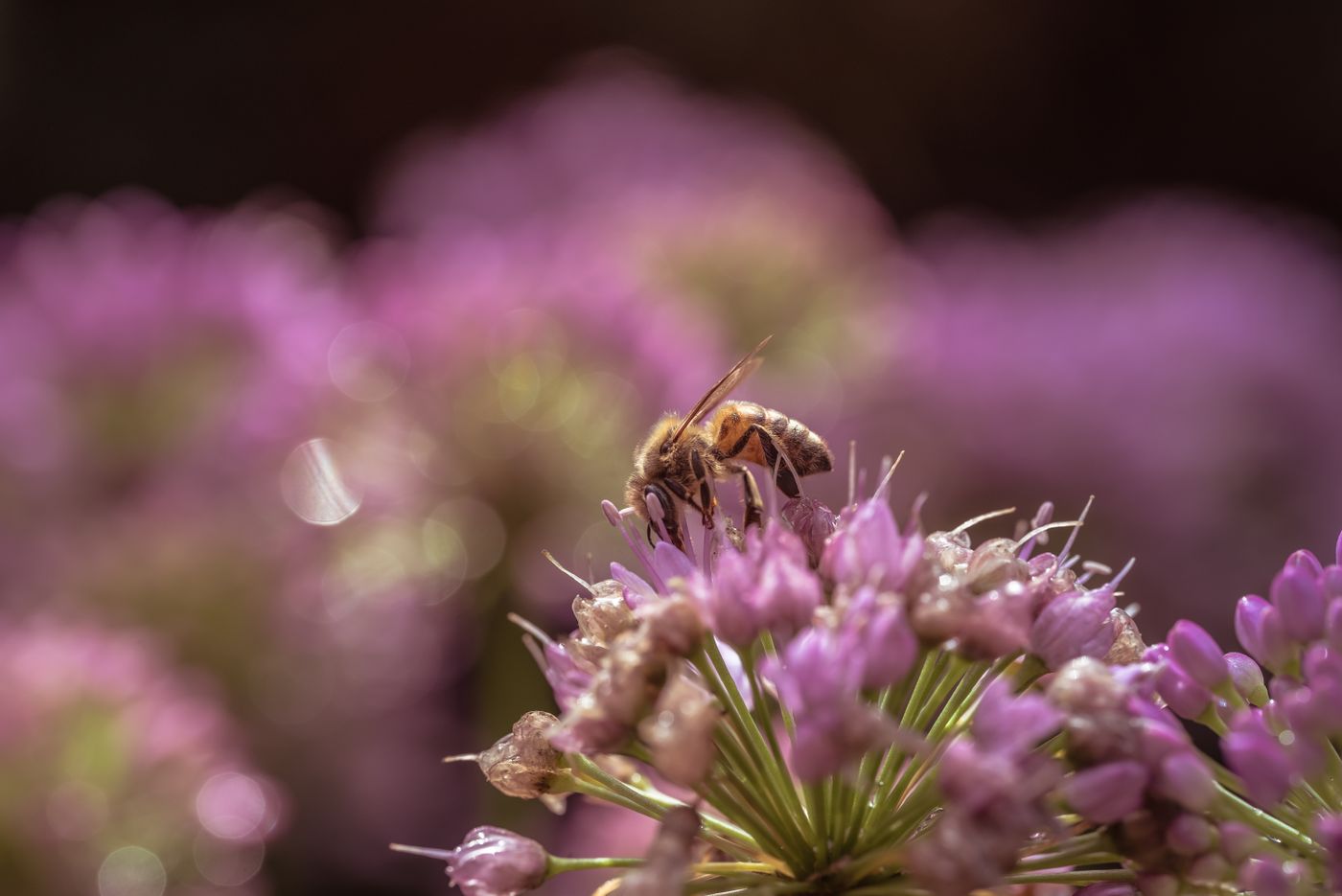
Dogs are usually stung on the face, mouth or paws while sniffing or snapping at an insect. A single sting typically causes sudden yelping, pawing at the spot, redness and a localised lump: mild pain and swelling that eases over a few hours (Greencross Vets). One useful difference to know: a honey bee leaves its barbed sting behind in the skin and dies, while a wasp keeps its sting and can strike again, so a wasp may keep attacking (ASCIA).
If you can see a sting still in the skin, scrape it out sideways with a fingernail or the edge of a credit card rather than pinching it: squeezing the sac can push more venom in (Greencross Vets). A cold, damp cloth or a wrapped ice pack over the area helps settle the swelling (Animal Emergency Service).
The warning signs that mean “go now”
A dangerous reaction usually shows up fast. Animal Emergency Service notes that allergic reactions “usually happen within 10 minutes of being stung, but reactions can still be delayed until hours later,” so keep watching your dog for the rest of the day (Animal Emergency Service). Greencross Vets adds that delayed reactions most often show up around three to four hours after the sting. Australian vets say vomiting is often the very first sign that something is going wrong, sometimes before any dramatic swelling appears (Walkerville Vet). Other red flags include marked swelling of the face, lips or tongue, hives, pale gums, unsteadiness, collapse or laboured breathing (Walkerville Vet). A sting inside the mouth or throat is especially risky, because swelling there can block the airway (Animal Emergency Service).
Please don’t reach for the antihistamine first
It is tempting to grab a human antihistamine, but Australian emergency vets warn against giving one without guidance, because the wrong dose “can prove fatal” (Animal Emergency Service). There is a second problem: a dog going into shock barely absorbs a tablet at all: circulatory collapse shuts down blood flow to the gut, and oral medicines take at least 20 minutes to work even in a healthy dog (Walkerville Vet). A dog having a real reaction needs a vet, not a pill from the cupboard. Ring ahead so the clinic is ready.
What the vet will do
Treatment is quick and usually very effective. Depending on severity, a vet may give injectable cortisone and an antihistamine, and for a dog in shock, adrenaline and intravenous fluids, with improvement often rapid once treatment starts (Walkerville Vet). It helps to know the likely cost first: an after-hours emergency consultation in Australia commonly runs about $180–$350 just for the visit, before tests or medication (PetCloud), one reason many owners weigh up whether pet insurance is worth it.
Australia’s spring stingers
It is not only honey bees. Paper wasps and the introduced European wasp are common in Australia, and unlike bees they can sting over and over (ASCIA). The aggressive jack jumper ant, found in Tasmania, Victoria, the ACT, parts of New South Wales, the Adelaide Hills and some parts of Western Australia and Queensland, is a well-known cause of severe sting reactions in people (ASCIA). In people, insect stings are among the most common triggers of anaphylaxis in Australia and New Zealand (ASCIA). On warm days, keep excitable dogs away from flowering garden beds, compost heaps and wood piles, and glance around the yard before letting them out. If your dog has reacted badly before, ask your vet about a plan, as a repeat sting can be worse. For other warm-weather hazards, see our guides to spring allergies in dogs and snake-bite first aid.
Frequently asked questions
How long should I watch my dog after a sting?
At least the rest of the day. Most serious reactions appear within about 10 minutes, but some are delayed by hours, so keep an eye on your dog’s breathing, gum colour and energy (Animal Emergency Service).
Can I give my dog an antihistamine like Benadryl?
Only if your own vet has told you the correct product and dose for your dog’s weight. Guessing is risky, and a tablet will not help a dog that is already collapsing (Walkerville Vet). When in doubt, call the clinic.
My dog was stung in the mouth: is that worse?
It can be. Swelling in the mouth or throat can affect breathing, so a mouth or throat sting is worth an urgent call to your vet or emergency clinic (Animal Emergency Service).
Key takeaways
- Most stings are mild: scrape the sting out sideways, apply a cold compress and watch closely.
- Face, mouth or throat stings, vomiting, pale gums, collapse or breathing trouble mean it is an emergency.
- Don’t give antihistamines without your vet’s specific advice on product and dose.
- Reactions can be delayed, so keep watching for the rest of the day.
- Know where your nearest 24-hour vet is before you ever need it.