If you have felt the bite of this July cold snap, chances are your dog has too. Across Melbourne, Canberra, Hobart and the southern tablelands, mornings are frosty and evening walks are dark and damp – and every winter the same question pops up at the dog park: does my dog actually need a coat, or is that just for show? The honest answer is that some dogs genuinely benefit from one, while others are perfectly happy in their own fur. Here is a practical, Aussie-specific guide to working out which camp your dog is in.
Which dogs actually feel the cold?
Not every dog needs to be rugged up. Thick, double-coated breeds such as Huskies, Malamutes and many Shepherds carry their own insulation and often love the cold. The dogs that struggle are the ones with little natural protection. According to the RSPCA, the pets most sensitive to cold are those with shorter coats, older animals, young puppies, and dogs with existing health problems.
- Small and toy breeds – Chihuahuas, Italian Greyhounds and the like lose body heat quickly because of their size.
- Short-haired and single-coated dogs – Staffies, Greyhounds, Whippets, Boxers and Dachshunds have little insulating undercoat.
- Puppies and senior dogs – the very young and very old regulate their body temperature less effectively.
- Dogs with arthritis or illness – cold, damp weather can stiffen sore joints, and unwell dogs feel the chill more.
- Lean, low-body-fat breeds – sighthounds in particular have almost no fat layer to hold warmth.
If your dog is a fit, fluffy, middle-aged Golden Retriever, a coat is probably unnecessary. If you own a shivering Greyhound or a grey-muzzled Jack Russell, it is worth considering.
How cold is too cold?
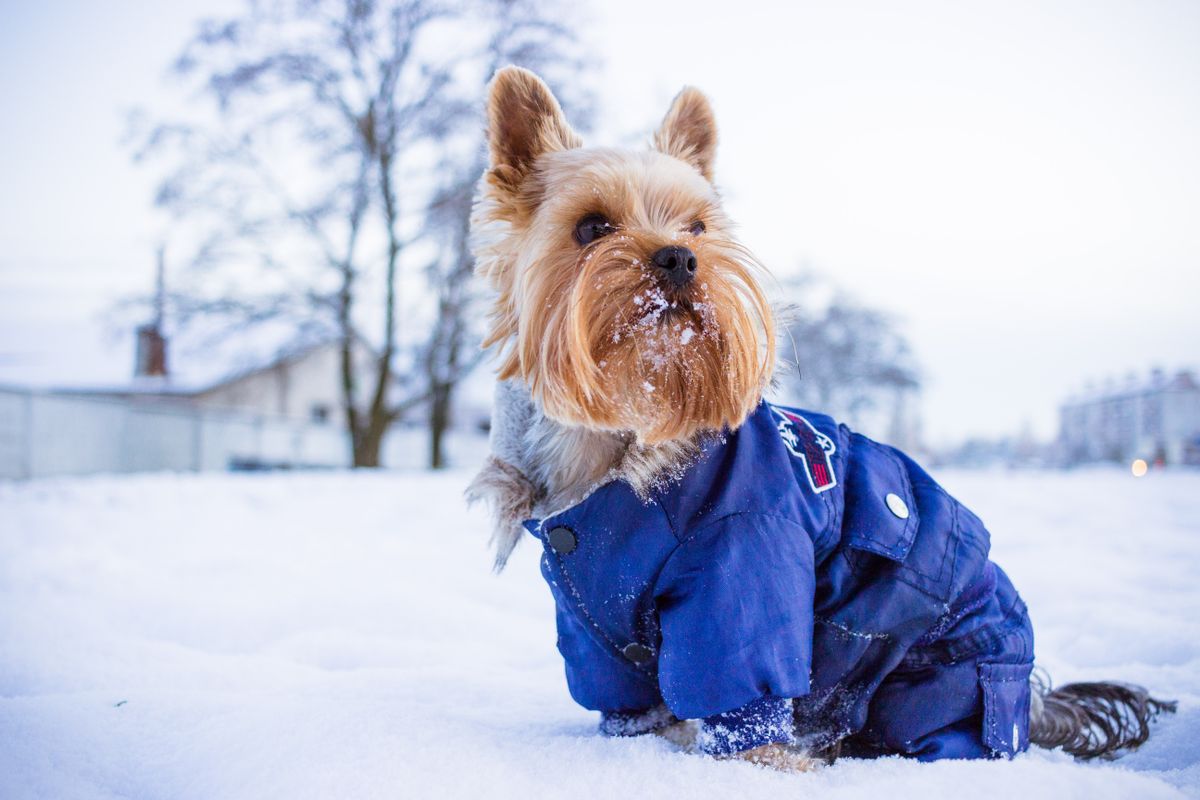
There is no single magic number, because wind, rain and how long you are outside all matter. As a rough guide, many small, thin-coated, young or senior dogs start to feel uncomfortable once the temperature drops below roughly 7–10°C – well within the range of a typical southern Australian winter morning. Wet, windy conditions make it feel much colder, and a soggy coat pulls heat away from the body fast. Watch for signs your dog is too cold: shivering, tucking the tail, lifting paws off the ground, slowing down, whining, or trying to turn back home. In severe cases, prolonged cold can lead to hypothermia, where the body temperature drops dangerously low, causing muscles to stiffen and breathing and heart rate to slow. If you notice extreme lethargy or your dog seems disoriented after being out in the cold, contact your vet promptly.
Choosing a coat that actually works
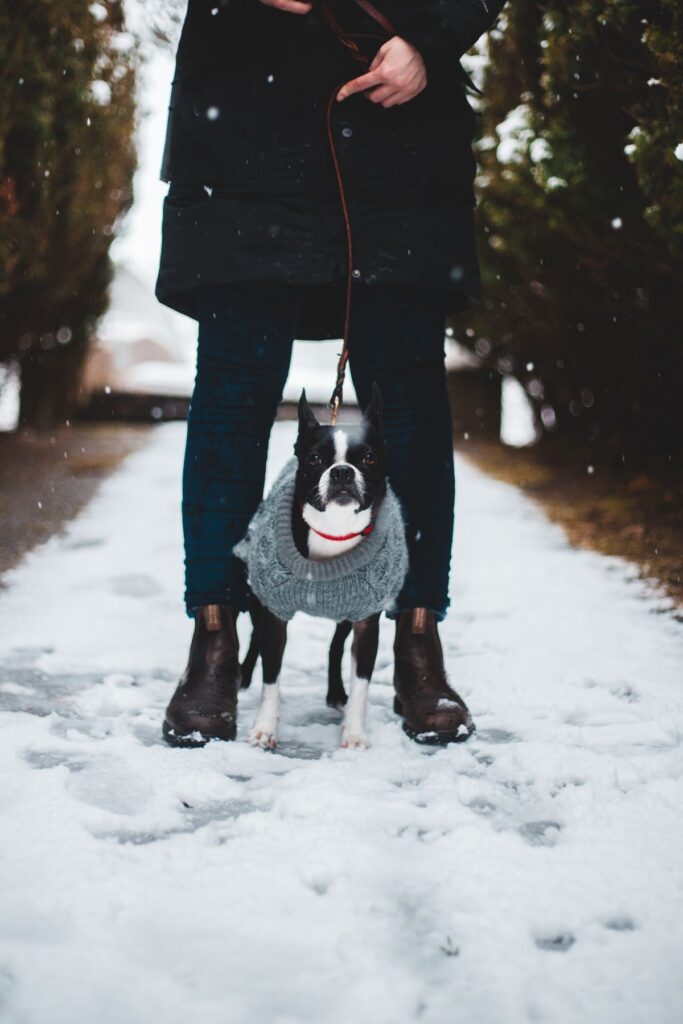
A good dog coat is about function, not fashion. The RSPCA recommends a coat that fits well, does not restrict movement, and covers your dog from the neck to the base of the tail while also protecting the belly. For dogs with arthritis, look for padded designs that offer extra warmth around major joints like the hips and shoulders. A few practical pointers for our wet Aussie winters:
- Choose waterproof outer layers for rainy walks – a wet coat is worse than no coat.
- Make sure it is snug but not tight: you should fit two fingers under the straps.
- Remove the coat indoors so your dog does not overheat, and take it off promptly if it gets wet.
- Keep it clean and dry between walks to avoid skin irritation.
What if my dog hates wearing one?
Plenty of dogs freeze on the spot the moment a coat goes on. That is normal. Introduce it slowly – let your dog sniff it, pair it with treats and praise, and start with short indoor sessions before heading outside. But do not force the issue. If your dog genuinely will not tolerate clothing, focus on other ways to keep them warm instead.
Warmth beyond the coat
A coat is only one piece of the puzzle. The simplest and safest step is to bring pets indoors on cold nights and never leave them outside unattended for long periods in winter. Give your dog a warm, draught-free bed raised off cold floors, keep walks a little shorter on the bitterest mornings, and make sure older dogs have somewhere cosy to rest their joints. Small changes add up to a much more comfortable winter for your best mate.
Frequently asked questions
Do dogs really need coats in an Australian winter?
Some do. Small, short-haired, senior, arthritic or unwell dogs benefit most, especially in the cooler southern states. Thick double-coated breeds usually do not need one.
How do I know if my dog is too cold?
Watch for shivering, a tucked tail, lifting paws, slowing down or reluctance to keep walking. If your dog becomes very lethargic or disoriented after being out in the cold, contact your vet.
Should the coat stay on indoors?
No. Remove it once you are back inside so your dog does not overheat, and take it off straight away if it has become wet.
Key takeaways
- Coats help small, short-haired, senior, lean and arthritic dogs most; double-coated breeds rarely need them.
- Many at-risk dogs feel cold below about 7–10°C, and wet, windy weather makes it worse.
- A good coat fits snugly, allows free movement, covers neck to tail and the belly, and ideally is waterproof.
- Remove coats indoors and when wet; introduce them gradually and never force a reluctant dog.
- Warm bedding and bringing pets inside on cold nights matter just as much as any jacket.
This article is general information only. For advice specific to your pet’s health, including arthritis or cold sensitivity, consult a licensed veterinarian.