
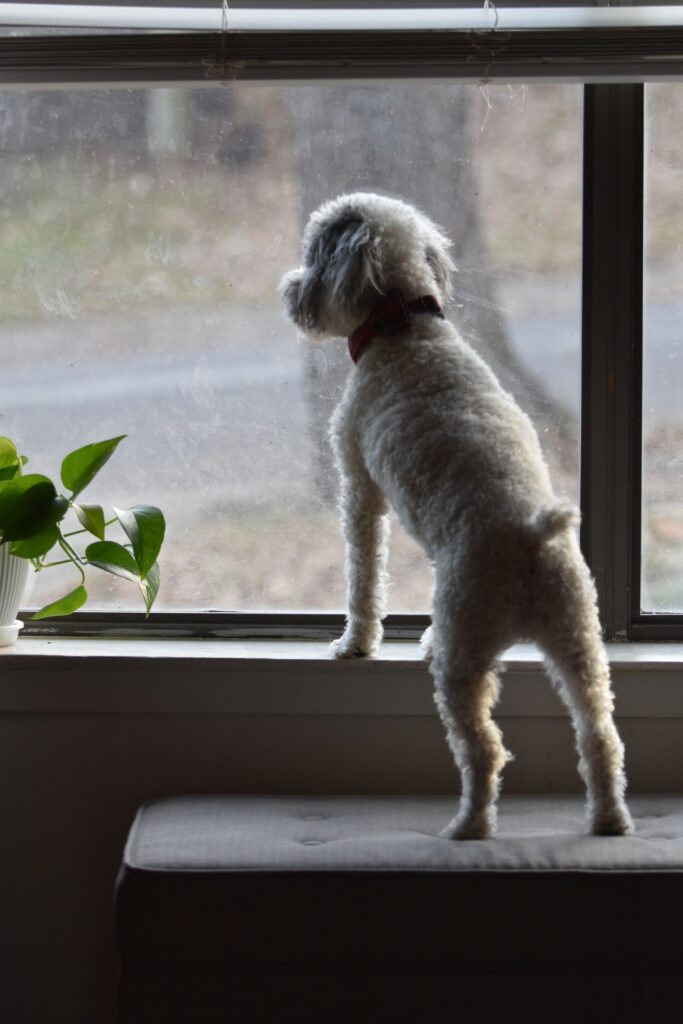
The July school holidays are winding up, and for a lot of Aussie households that means the same thing: kids heading back to class, adults heading back to the office, and the family dog or cat suddenly finding the house very quiet. After a fortnight of constant company – and, for many families who picked up a new puppy or kitten these holidays, a pet that has never been left alone at all – that abrupt change can be genuinely distressing. Here’s how to spot separation anxiety early and help your pet settle before it takes hold.
Why the End of the Holidays Is a Flashpoint
Pets are creatures of routine. During the holidays they get used to people being home, extra walks, more play and someone to follow from room to room. When everyone disappears for eight or nine hours on the same Monday morning, the contrast is stark. Dogs (and some cats) can struggle to cope with the sudden alone time, and the stress often shows up as unwanted behaviour rather than an obvious “my pet is anxious” signal.
It is worth saying plainly: this is not your pet being naughty or spiteful. Separation-related behaviour is a distress response, and treating it as disobedience usually makes it worse. The good news is that a bit of preparation goes a long way.
Signs Your Dog or Cat Isn’t Coping Alone
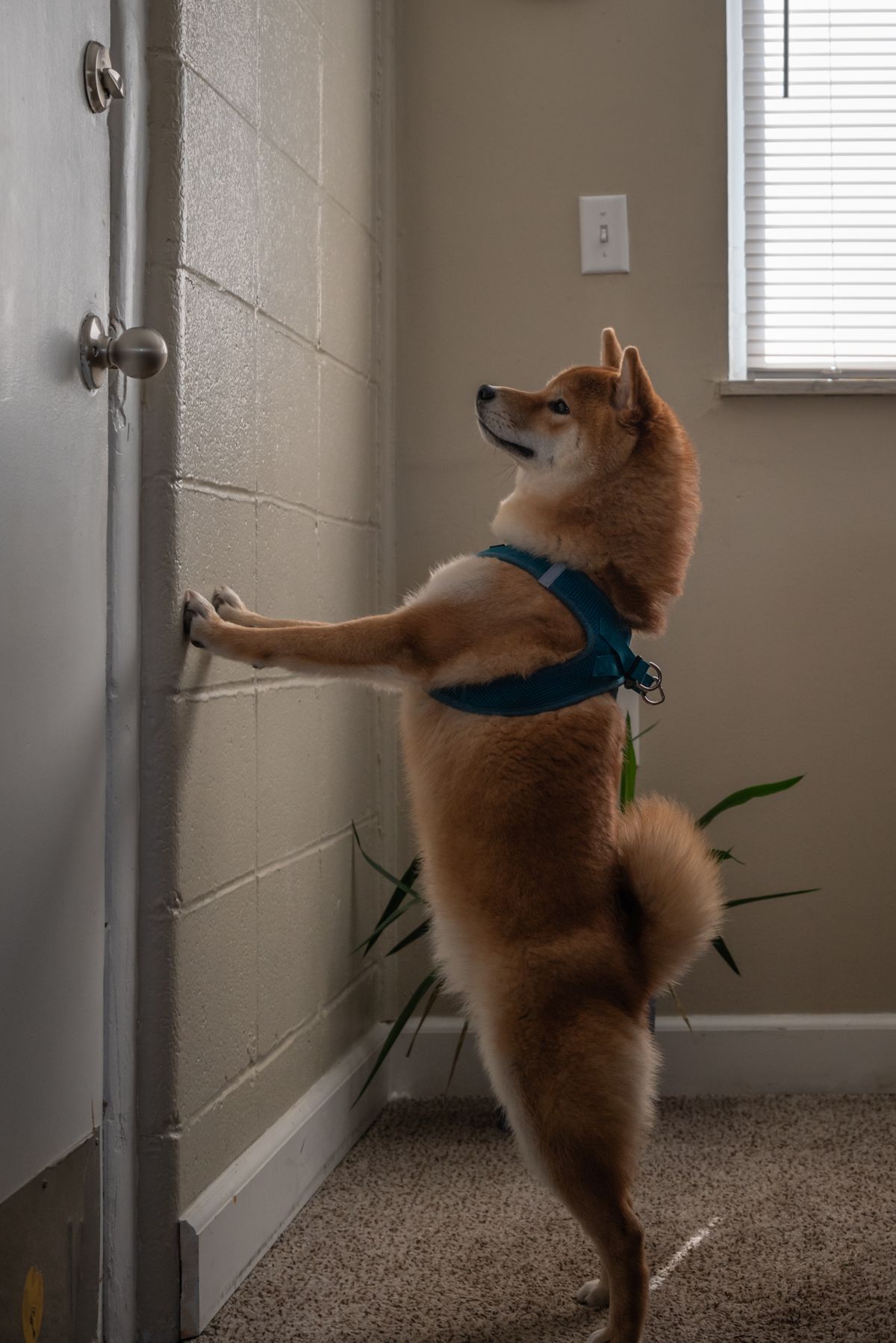
According to RSPCA Australia, separation anxiety is marked by clear signs of distress when a pet is separated from the person or family it is bonded to. Common signs include:
- Barking, whining or howling that starts soon after you leave
- Toileting indoors despite being reliably house-trained
- Destructive behaviour, particularly around doors, windows and exits
- Pacing, drooling, or trying to escape
- Over-the-top greetings, or shadowing you from room to room when you are home
- In cats, hiding, over-grooming, going off their food, or toileting outside the litter tray
If you are not home to see it, a phone propped up to record the room for the first half hour after you leave can tell you a lot. A pet that settles within a few minutes is usually fine; one that barks, paces or tries to get out is telling you it needs help.
How to Help Your Pet Settle: A Practical Plan
The aim is simple – teach your pet that being alone is calm, normal and even pleasant. RSPCA and veterinary behaviour advice both point to gradual, reward-based methods rather than any quick fix.
1. Practise short, low-key absences
Don’t wait for the first full work day. Start now with brief departures – step out for a minute, then five, then longer – and build up over days so your pet barely notices. If you can ease back into your normal hours gradually, or arrange a phased first week, even better.
2. Keep comings and goings boring
Big, emotional goodbyes and excited reunions can actually raise your pet’s anxiety. Aim for calm and matter-of-fact when you leave and return, so departures stop feeling like a dramatic event.
3. Make “alone time” rewarding
A favourite trick recommended by RSPCA Australia is a food-stuffed toy – a Kong or similar packed with something tasty that takes 20 to 30 minutes to work through. Offer it only when you leave and take it away when you return, so your pet starts to associate your absence with good things. A worn t-shirt that smells like you can be reassuring too.
4. Meet their needs before you go
A decent walk, a play session or some sniffing and foraging games in the morning leaves many pets more content to rest while you are out. The Australian Veterinary Association notes that pets left with enriching activities are less likely to develop destructive behaviours because their needs are being met in healthier ways.
5. Don’t leave a young puppy or kitten all day at once
A holiday puppy has no experience of being alone. If you are heading back to work, line up a midday visit from a friend, a dog walker, doggy day care or a trusted neighbour for the first few weeks while your pet builds confidence.
When to Call the Vet
If your pet is injuring itself trying to escape, not eating, or the distress simply isn’t improving with these steps, it’s time for professional help. Your vet can rule out medical causes, and may refer you to a qualified, reward-based behaviour specialist. In more severe cases they may recommend combining behaviour training with medication. Consult a licensed veterinarian for diagnosis or treatment specific to your pet.
Frequently Asked Questions
How long can a dog be left alone during the day?
As a general guide, many adult dogs cope with up to four to six hours alone once they are used to it, with a toilet break and some exercise either side. Puppies need far shorter periods and a midday break. Every dog is different, so build up gradually and watch how yours copes.
Do cats get separation anxiety too?
Yes. It is less common and easier to miss than in dogs, but cats can show distress through hiding, over-grooming, appetite changes or toileting outside the litter tray. Extra vertical space, hiding spots and enrichment toys help many cats feel secure.
Will getting a second pet fix separation anxiety?
Not reliably. Separation anxiety is usually about the bond with a person, so a second pet may not solve it and adds another animal to care for. It is better to work on your pet’s confidence being alone first, and consider a companion for other reasons.
How quickly will training work?
There is no overnight fix. Gentle desensitisation typically takes weeks of short, daily sessions. Consistency matters more than speed – small, calm wins add up.
Key Takeaways
- The end of school holidays is a common trigger for separation anxiety as pets face sudden alone time.
- Watch for barking, indoor toileting, destruction, pacing and escape attempts – these are distress signals, not bad behaviour.
- Practise short absences now, keep departures low-key, and make alone time rewarding with food-stuffed toys and enrichment.
- Holiday puppies and kittens need a gradual introduction to being alone and a midday break where possible.
- See your vet if your pet is hurting itself, won’t eat, or isn’t improving – help is available.