
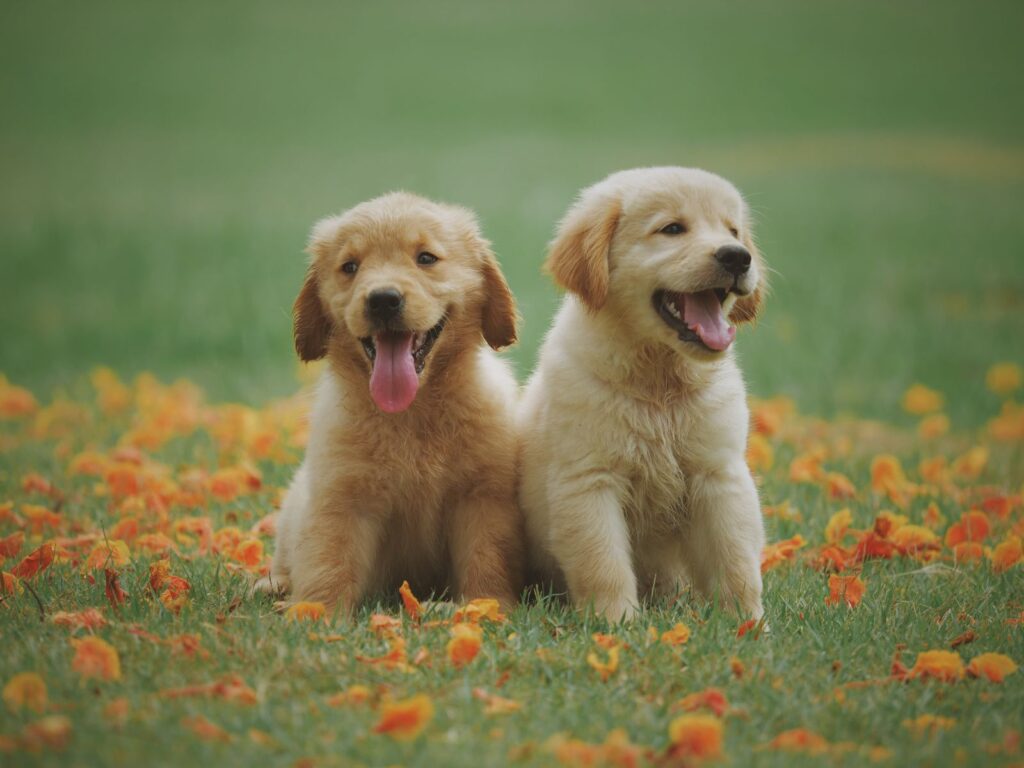
If the dog’s heading to a boarding kennel or doggy daycare while you’re away these school holidays, there’s one job worth ticking off before the bags are packed: getting ahead of kennel cough. Australian vets see the condition flare up most in winter and during peak boarding periods — and with Victorian holidays already underway and New South Wales families breaking up from 6 July, kennels and daycares right across the country are filling fast. A little planning now can save your dog weeks of that miserable, hacking cough later.
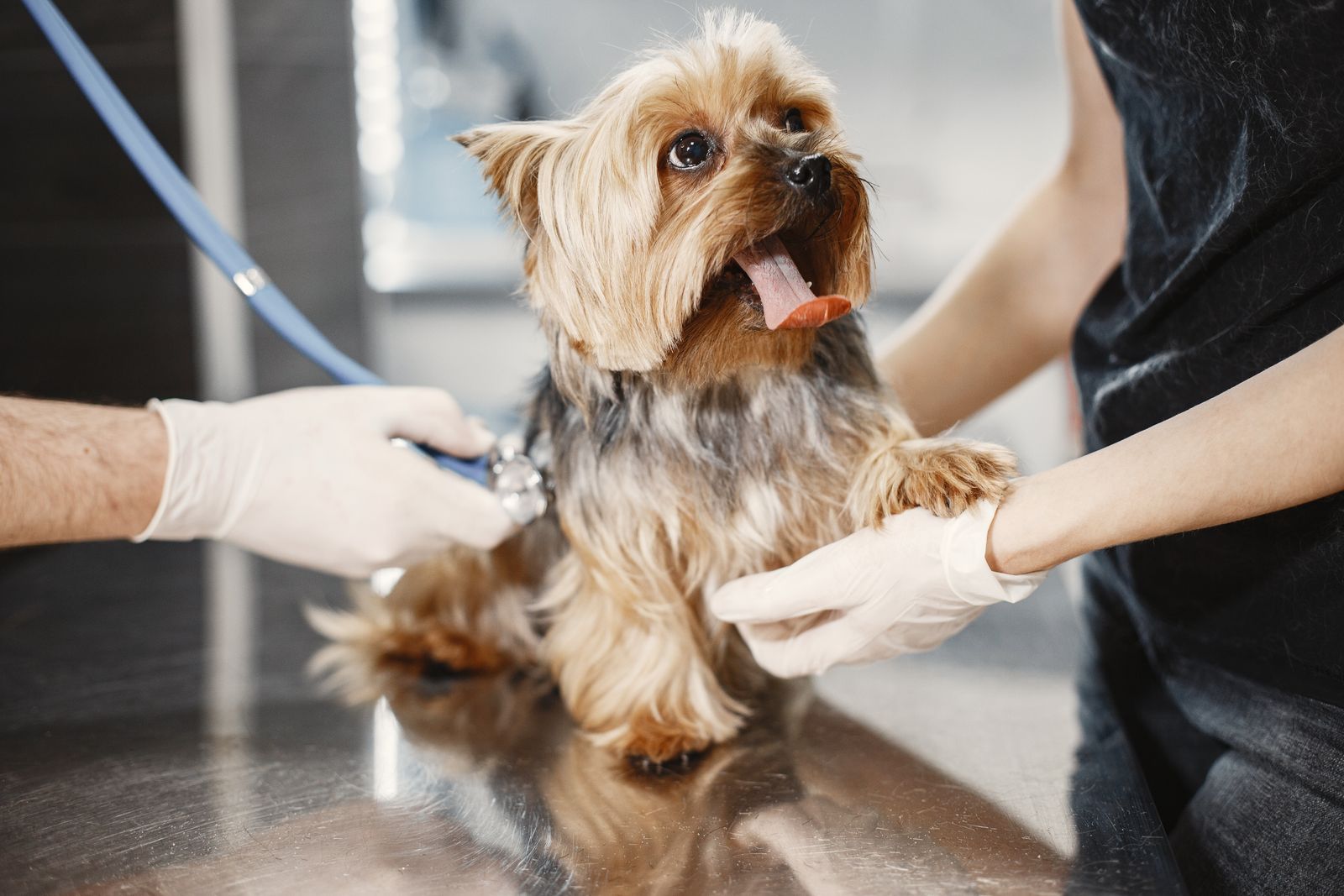
Why the July holidays are peak kennel cough season
Kennel cough — increasingly called canine cough, since dogs catch it well beyond kennels — spreads wherever dogs gather closely. Boarding facilities, daycare, grooming salons, dog parks and even busy footpaths can all play a part. School holidays bundle two risk factors together: more dogs going into boarding while families travel, and more dogs out socialising. Cold winter air and time spent indoors can add to the mix. Most Australian vets report a couple of kennel cough waves each year, and winter boarding season is a classic trigger.
What kennel cough actually is
It’s a contagious infection of the upper airways, usually caused by a mix of pathogens rather than a single bug — the bacterium Bordetella bronchiseptica often teams up with viruses such as canine parainfluenza. The hallmark sign is a forceful, honking cough that can sound like something’s caught in your dog’s throat, sometimes finishing with a gag or a bit of mucus. Many otherwise healthy dogs stay bright and keep eating, and recover within one to three weeks. It tends to be more serious in puppies, senior dogs, and those with existing heart or airway conditions — which is exactly when a vet’s input matters.
The vaccine: book it now, not the day before drop-off
Most reputable boarding kennels and daycares in Australia require proof of kennel cough vaccination, and many ask for it to be done a couple of weeks before your dog’s stay. That’s because the immunity needs time to build — so the day-before dash rarely cuts it. Timing to keep in mind:
- Leave a buffer: aim to vaccinate at least 1–2 weeks before boarding so protection has time to develop, and check your facility’s exact cut-off when you book.
- Know your vaccine: the intranasal (up-the-nose) type starts working within a few days, while injectable options may need a little longer — your vet will recommend what suits your dog.
- Stay current: protection is generally given yearly, though some high-risk, frequently-boarded or daycare dogs are boosted every six months.
- Set a realistic expectation: like the human flu shot, it isn’t 100% protective, but vaccinated dogs usually get a milder, shorter illness.
With holidays already running in several states, the practical takeaway is simple: if your dog isn’t covered yet, ring your vet today rather than at drop-off.
Spotting the early signs
Whether your dog is heading away or staying home, it pays to know what to watch for in the days after any doggy mingling. The incubation period can run from about two days up to two weeks, so a cough that appears after boarding or a park visit isn’t unusual. Keep an eye out for:
- A persistent dry, hacking or “honking” cough
- Gagging or retching, sometimes bringing up white foam
- Reverse sneezing or snorting
- Mild eye or nose discharge
- Lower energy or reduced appetite in some dogs
Caring for a coughing dog at home
If your dog does pick up a cough, keep them rested, well hydrated and away from other dogs to avoid spreading it. A harness instead of a neck collar can ease throat irritation, and a calm, warm spot helps. Book a vet visit if the cough is severe or lasts beyond a week or so, if your dog seems flat, off their food or breathless, or if they’re a puppy, senior or have an existing health condition. Consult a licensed veterinarian for diagnosis or treatment specific to your pet — this article is general information, not a substitute for professional advice.
Frequently asked questions
Can my dog still catch kennel cough if they’re vaccinated? Yes — the vaccine reduces severity and helps recovery, but it doesn’t guarantee immunity, partly because several different pathogens can be involved.
How long before boarding should I vaccinate? Plan for at least one to two weeks ahead so immunity can build, and always confirm your facility’s specific requirement when booking, as some ask for more notice.
Is kennel cough dangerous? For most healthy adult dogs it’s uncomfortable but self-limiting. It can be more serious for puppies, senior dogs and those with heart or airway problems, so see your vet if you’re worried.
Can humans or cats catch it from my dog? Kennel cough overwhelmingly spreads between dogs. Transmission to healthy people is very rare, but wash your hands after handling a sick dog and ask your vet if anyone in the household is immunocompromised.
Key takeaways
- Winter school holidays are peak season for kennel cough as more dogs board and socialise.
- If your dog is boarding, sort the vaccine at least 1–2 weeks ahead — not at drop-off.
- The vaccine isn’t a guarantee, but it usually means a milder, shorter illness.
- Watch for a dry, honking cough in the two weeks after any doggy gathering.
- See your vet if the cough is severe or lingering, or your dog is a puppy, senior or unwell.