For the first time on record, the H5N1 strain of bird flu has turned up on Australian shores. If you own a dog or a cat, you have probably seen the headlines and wondered whether your own pet is at risk. The short answer is that the danger to household pets is currently very low – but there is one habit worth rethinking, and a few simple things you can do this winter to keep the risk that way.
What has actually happened in Australia
In late June 2026, authorities confirmed Australia’s first detection of high-pathogenicity avian influenza (H5N1, clade 2.3.4.4b) in a wild migratory seabird – a brown skua found near Esperance in Western Australia. A small number of other vagrant seabirds in Western Australia and South Australia have since tested positive. Until now, Australia had been the last continent on Earth free of this strain.
Importantly, H5N1 has not been found in Australian commercial poultry farms, backyard chooks, or common native birds. State and federal authorities have activated surveillance and biosecurity plans focused on shorebirds and poultry. In other words, this is a wildlife detection being watched closely, not a pet health emergency.
Should dog owners be worried?
Not really. Dogs are very unlikely to catch H5N1. Confirmed cases anywhere in the world are exceptionally rare, and there have been none in Australia. A dog that mouths a sick or dead wild bird could in theory be exposed, so it is sensible to discourage that behaviour on beach and wetland walks – but everyday life with your dog carries minimal risk.
Why cats need a bit more care
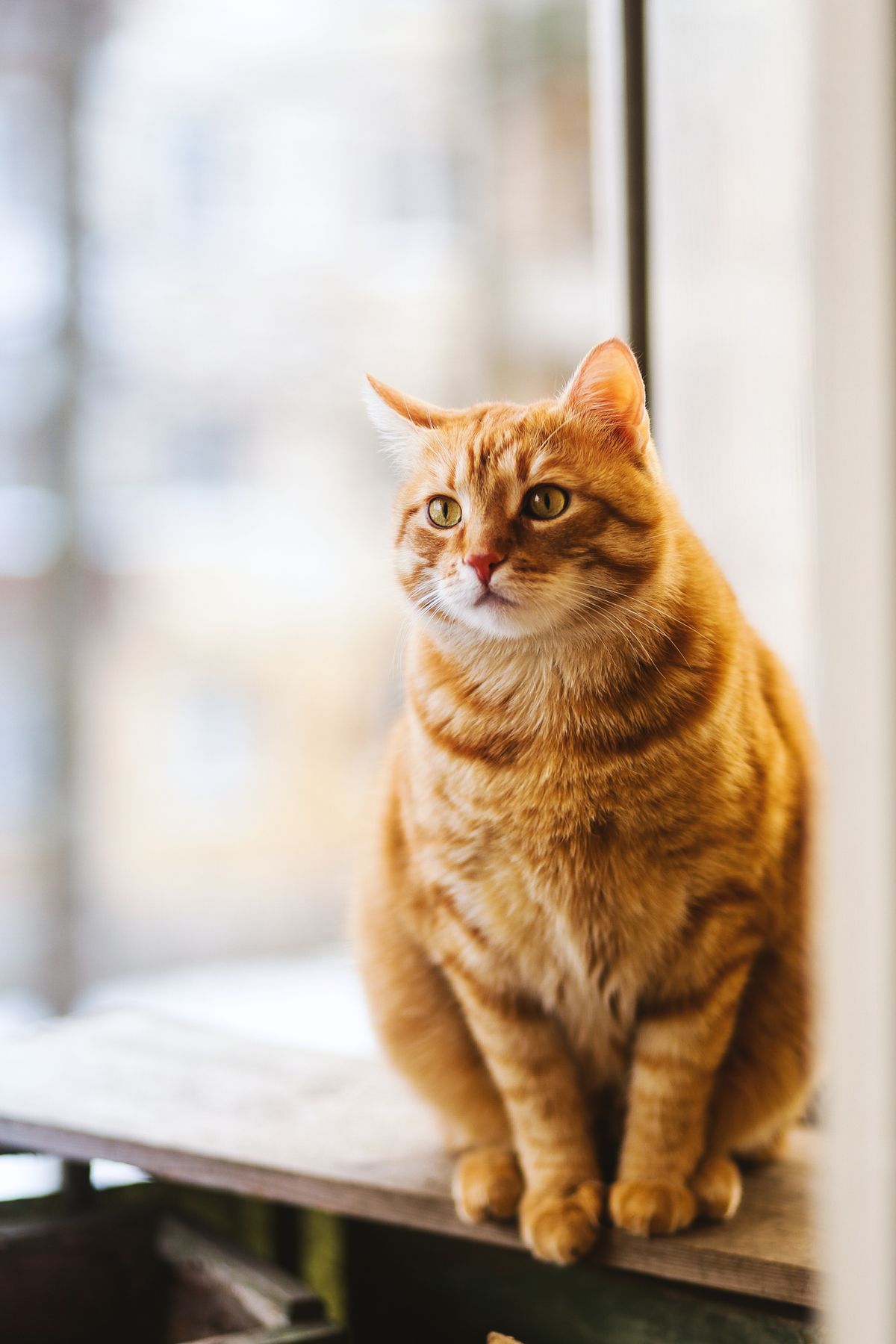
Cats are more susceptible to H5N1 than dogs, and when they do get sick it can be serious. Most overseas cases have come down to two things: hunting or scavenging infected wild birds, and eating contaminated raw poultry or unpasteurised (raw) milk. A well-documented cluster in Los Angeles over the 2024–25 season involved cats that became severely unwell after raw milk or raw pet food, with several dying.
The raw food question
Raw feeding has become popular with many Australian owners, and this is the one area worth pausing on. Because H5N1 can survive in raw poultry, raw diets and unpasteurised milk are the most plausible way a pet could be exposed at home. You do not need to panic, but the low-risk choice right now is to feed commercially prepared food or meat that has been properly cooked, rather than raw poultry or raw dairy. If you feed raw for other reasons, it is a good time to talk it through with your vet.
Simple steps to protect your pets this winter
- Keep cats indoors or supervised, especially near wetlands, beaches and areas with lots of wild birds.
- Discourage dogs and cats from sniffing, mouthing or carrying dead or sick birds – keep dogs on lead where waterbirds gather.
- Feed commercially prepared or thoroughly cooked food; avoid raw poultry and unpasteurised (raw) milk for now.
- Remove uneaten pet food from outdoors so you are not attracting wild birds to shared feeding spots.
- Wash your hands after handling raw meat, cleaning bird baths, or coming into contact with wild birds.
- Report unusual clusters of sick or dead wild birds to the Emergency Animal Disease Hotline on 1800 675 888.
Signs to watch for
H5N1 is not the most likely explanation for a crook pet this winter – cat flu, kennel cough and the usual seasonal bugs are far more common. Still, it helps to know the picture. In cats, reported signs have started with lethargy and loss of appetite, sometimes progressing to fever, breathing problems and, in severe cases, neurological signs such as tremors or unsteadiness.
If your pet is unwell – particularly if it has recently caught a bird or eaten raw poultry – contact your vet and mention that possible exposure. Consult a licensed veterinarian for diagnosis or treatment specific to your pet, and phone ahead so the clinic can prepare.
What about people?
The risk to humans in Australia remains very low, and no human-to-human transmission of this strain has been detected. Basic hygiene – washing hands after handling raw meat or wild birds – is the sensible baseline, the same advice that already applies to everyday food safety.
Frequently asked questions
Can my indoor cat catch bird flu?
The risk for an indoor cat that is kept away from wild birds and not fed raw poultry or raw milk is very low. Keeping cats inside and feeding cooked or commercial food keeps it that way.
Is it still safe to walk my dog near the beach or wetlands?
Yes. Keep your dog on lead where waterbirds gather and stop it from picking up dead birds. Everyday walks remain fine.
Do I need to stop raw feeding completely?
Not necessarily, but raw poultry and unpasteurised milk are the main home exposure route, so the lower-risk option right now is cooked or commercially prepared food. Speak with your vet about what suits your pet.
Should I vaccinate my pet against bird flu?
There is no routine bird flu vaccine for pet dogs and cats in Australia. Keeping your pet’s regular vaccinations up to date supports general health, but the best protection against H5N1 is avoiding exposure.
Key takeaways
- H5N1 bird flu has been detected in wild seabirds in WA and SA – not in poultry, backyard birds or pets.
- The risk to dogs is extremely low; cats are more susceptible but still low-risk with sensible precautions.
- Raw poultry and unpasteurised milk are the main at-home exposure route – cooked or commercial food is the safer choice for now.
- Keep cats away from wild birds, keep dogs off dead birds, and call your vet if your pet is unwell after possible exposure.
This article is general information for Australian pet owners and is not a substitute for veterinary advice. Consult a licensed veterinarian for guidance specific to your pet.