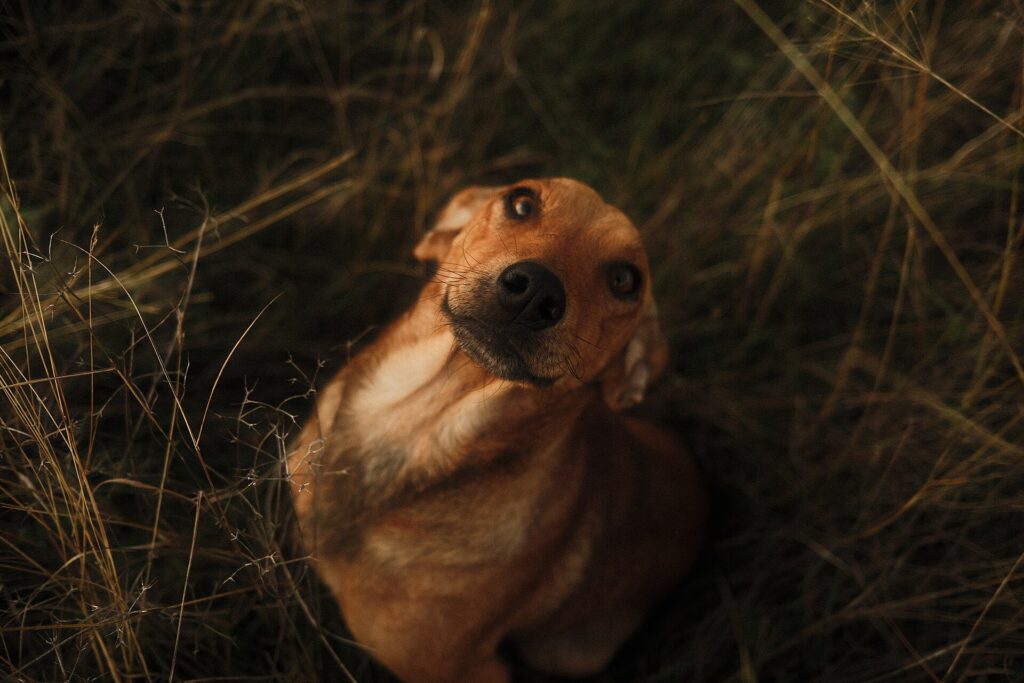
Winter in Australia brings damp lawns, cooler mornings and, in many backyards, a quiet surge of wild mushrooms popping up overnight. Most owners barely notice them. But for a curious dog that explores the world nose-first, a single toxic mushroom can turn a normal morning toilet break into an emergency. Mushroom poisoning in dogs is uncommon, yet when it happens it can move fast — so a little awareness now goes a long way.
Here’s what Aussie dog owners should understand about backyard mushrooms this season, how to spot trouble early, and the simple habits that keep your dog out of harm’s way.
Why winter sprouts more mushrooms in Aussie backyards
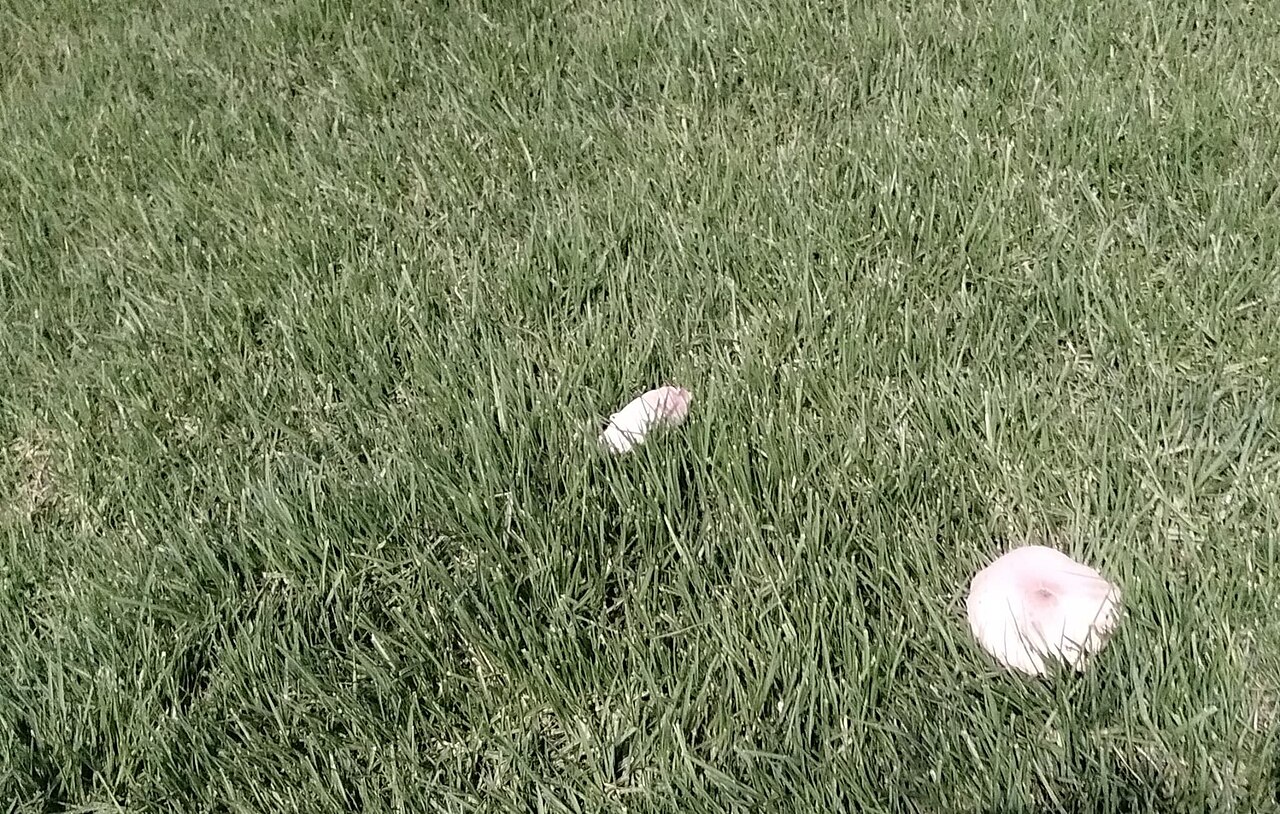
Mushrooms are the fruiting bodies of fungi living in soil, mulch and decaying wood. They thrive when the ground stays moist and temperatures are mild — exactly the conditions much of southern and eastern Australia sees through autumn and winter. After a few rainy days, you may find clusters appearing on lawns, garden beds, under trees or around old stumps almost overnight.
The tricky part is that you usually can’t tell a harmless mushroom from a dangerous one just by looking. Some of the most toxic species look plain and unremarkable, which is why caution matters more than identification.
Which mushrooms are dangerous to dogs?
Australia is home to thousands of fungi, and only a minority are seriously toxic — but those few can cause severe illness. One species owners often hear about is the death cap (Amanita phalloides), which has been recorded in parts of the ACT, Victoria and other cooler regions, often near established oak trees. It is extremely poisonous to both pets and people.
Because accurate identification takes real expertise, the safest approach is simple: treat any wild mushroom your dog eats as potentially harmful until a professional advises otherwise. Don’t rely on apps or photos to decide whether a mushroom is “safe.”
Signs of mushroom poisoning in dogs
Symptoms depend on the type of mushroom and how much was eaten, and they can appear within minutes or be delayed for several hours. Watch for:
- Vomiting or diarrhoea, sometimes with blood
- Drooling, nausea or loss of appetite
- Wobbliness, weakness or unsteady walking
- Tremors, twitching or seizures
- Lethargy or unusual sleepiness
- Yellowing of the gums or eyes in more serious cases
Some of the most dangerous mushrooms cause an early bout of illness that seems to settle, followed by serious organ damage a day or two later. That false recovery is exactly why you shouldn’t “wait and see” if you know your dog has eaten a wild mushroom.
What to do if your dog eats a wild mushroom
Acting quickly gives your vet the best chance to help. If you see or suspect your dog has eaten a mushroom:
- Remove any remaining mushroom from your dog’s mouth and the area so no one else eats it.
- If you can do it safely, collect a sample of the mushroom (ideally the whole thing, including the base) in a paper bag or wrapped in a damp paper towel — this can help with identification.
- Call your veterinarian or the nearest emergency animal hospital straight away.
- In Australia, you can also phone the Animal Poisons Helpline on 1300 869 738 for free advice.
- Do not try to make your dog vomit unless a vet specifically tells you to.
Note the time your dog ate the mushroom and any symptoms you’ve noticed, as this information helps the veterinary team decide on treatment. Consult a licensed veterinarian for diagnosis or treatment specific to your pet.
How to keep your dog safe this winter
Prevention is far easier than treatment. A few simple habits make a big difference:
- Walk your yard after rain and remove any mushrooms you find, roots and all.
- Keep an eye on your dog during toilet breaks, especially first thing in the morning.
- Teach a reliable “leave it” or “drop” cue so you can interrupt scavenging.
- Stay alert on walks through parks, ovals and bushland where fungi often grow.
- Clear damp leaf litter and mulch where mushrooms tend to appear.
Frequently asked questions
Are all wild mushrooms poisonous to dogs?
No — many are harmless. The problem is that toxic and non-toxic species can look almost identical, and a few dangerous ones are very plain in appearance. Because you can’t reliably tell them apart, it’s safest to treat every wild mushroom as a potential risk and keep your dog away from them.
How quickly do symptoms of mushroom poisoning appear?
It varies. Some dogs show signs within 15 minutes to a few hours, while the most serious toxins may not cause obvious symptoms until 6 to 24 hours later. This delay is why early veterinary advice matters, even if your dog seems fine at first.
Can store-bought mushrooms hurt my dog?
Plain, cooked culinary mushrooms like button or Swiss brown are generally not toxic to dogs, but mushrooms cooked with onion, garlic, butter or rich sauces can be. When in doubt, it’s best not to share and to check with your vet.
Key takeaways
- Damp Aussie winters can trigger sudden mushroom growth in lawns and gardens.
- You usually can’t tell a toxic mushroom from a safe one by sight, so treat all of them as a risk.
- Symptoms can be delayed, so don’t “wait and see” if your dog eats one.
- Call your vet or the Animal Poisons Helpline (1300 869 738) straight away.
- Regularly clearing mushrooms and supervising your dog is the best prevention.